
Scripture tells everyone that God subjects the followers of Christ to trials and tests, so as to check faithfulness, and it is natural that no one enjoys this process. Nobody likes being checked and measured, yet it is God’s purpose for mortal life, it is the proving ground of the soul.
Consider it pure joy, my brothers and sisters, whenever you face trials of many kinds, because you know that the testing of your faith produces perseverance. (James 1:2-3)
Greek word: πειρασμός peirasmos (G3986) translates trial meaning test or a proving process. It can also mean adversity and calamity.
This is entirely consistent because what James is describing as trials is enduring suffering. Peter echoes this and explains the benefit which might enable any to understand how James could make such a seemingly outrageous and contradictory statement at the start of his epistle:
In all this you greatly rejoice, though now for a little while you may have had to suffer grief in all kinds of trials. These have come so that the proven genuineness of your faith – of greater worth than gold, which perishes even though refined by fire – may result in praise, glory and honour when Jesus Christ is revealed. (1 Peter 1:6-7)
Later Peter speaks more specifically of the persecution of the early church:
…do not be surprised at the fiery ordeal that has come on you to test you, as though something strange were happening to you. But rejoice inasmuch as you participate in the sufferings of Christ, so that you may be overjoyed when his glory is revealed. If you are insulted because of the name of Christ, you are blessed, for the Spirit of glory and of God rests on you. If you suffer, it should not be as a murderer or thief or any other kind of criminal, or even as a meddler. However, if you suffer as a Christian, do not be ashamed, but praise God that you bear that name. For it is time for judgment to begin with God’s household; and if it begins with us, what will the outcome be for those who do not obey the gospel of God? And,
‘If it is hard for the righteous to be saved,
what will become of the ungodly and the sinner?’
So then, those who suffer according to God’s will should commit themselves to their faithful Creator and continue to do good. (1 Peter 4:12-19)
But Peter is speaking of so much more than persecution. He says that the follower Christ has to be proven and in is judged first for lack of obedience, furthermore, that it is God’s will that Christians endure suffering. It is process that was not denied to Jesus:
During the days of Jesus’ life on earth, he offered up prayers and petitions with fervent cries and tears to the one who could save him from death, and he was heard because of his reverent submission. Son though he was, he learned obedience from what he suffered and, once made perfect, he became the source of eternal salvation for all who obey him…(Hebrew 5:7-9)
Among the most frequent objections of the secularist to the existence of God is the argument that a good and loving God could not inflict suffering. Christians, by and large, find this difficult to counter and often fall into embarrassed silence. Those that attempt to explain say suffering is random and the product of fallen world, or that it is the work of evil forces, always asserting God would not allow anyone to suffer.
It is odd that Christians should take refuge in such sayings, given the Bible is full of examples of the suffering that God has wrought, not least on himself, in the person of the Son at Calvery. And does not Scripture affirm that Jesus suffered for joy?
For the joy that was set before him he endured the cross, scorning its shame, and sat down at the right hand of the throne of God. (Hebrews 12:2)
Part of the reason for the confusion is mistaking ‘suffering’ for ‘harm’, that is specifically ‘spiritual’ harm, and more narrowly still, one’s standing with God. Joseph, son of Jacob, could reflect that though he suffered through his enslavement, it had not harmed him. He remained steadfast and faithful, so his standing with God was not impaired. Speaking to his fearful brothers, Joseph says
‘Don’t be afraid. Am I in the place of God? You intended to harm me, but God intended it for good to accomplish what is now being done, the saving of many lives…’ (Genesis 50:19-20)
God intends, he orchestrates. God is involved with each life, intimately, he does not stand back. Even if other agents think they are working for their own ends, all are working for God – even Satan. When ‘Satan enters Judas’ (Luke 22:3), the Deceiver also asks to test the other disciples, Jesus says to Peter, before predicting his thrice denial:
‘Simon, Simon, Satan has asked to sift all of you as wheat. But I have prayed for you, Simon, that your faith may not fail. (Luke 22:31-32)

God invites Satan to visit suffering on Job, but God sets the limits:
‘Have you considered my servant Job? There is no one on earth like him; he is blameless and upright, a man who fears God and shuns evil. And he still maintains his integrity, though you incited me against him to ruin him without any reason.’ ‘Skin for skin!’ Satan replied. ‘A man will give all he has for his own life. But now stretch out your hand and strike his flesh and bones, and he will surely curse you to your face.’
The Lord said to Satan, ‘Very well, then, he is in your hands; but you must spare his life.’ (Job 2:3-6)
(It should be noted that God never explains to Job why he visited extreme suffering upon him, but ultimately Job is blessed for his faithfulness. God restores his wealth and gives him sons and daughters, Job 42:12-16; however, by being included in the Scriptures, Job’s experiences are offered to all in order that God’s character and purposes are further revealed.)
Therefore, the Christian should not be confused about the origin of suffering, but if they need more evidence, there are other ample examples in Scripture. He is the God of calamity:
I form the light and create darkness,
I bring prosperity and create disaster;
I, the Lord, do all these things. (Isaiah 47:7)
He chastises all peoples:
If at any time, I announce that a nation or kingdom is to be uprooted, torn down and destroyed, and if that nation I warned repents of its evil, then I will relent and not inflict on it the disaster I had planned. And if at another time, I announce that a nation or kingdom is to be built up and planted, and if it does evil in my sight and does not obey me, then I will reconsider the good I had intended to do for it. (Jeremiah 18:7-10)
Christian faith rests on two pillars, that God is sovereign and that He is good. If he is sovereign, that is totally in charge of everything and at all times, nothing can be random, and if good, nothing He does is harmful.
It is important then to note that spiritually speaking no harm can come to anyone through God – and that includes by the agency of evil forces whether supernatural, demons, or natural, humans; the only harm that is ever done to oneself is by oneself. Consider the ultimate harm then:
The Lord is not slow in keeping his promise, as some understand slowness. Instead he is patient with you, not wanting anyone to perish, but everyone to come to repentance. But the day of the Lord will come like a thief. The heavens will disappear with a roar; the elements will be destroyed by fire, and the earth and everything done in it will be laid bare. (2 Peter 3:9-10)
God does not desire any to perish, to come to that dreadful and ultimate misfortune, and yet when all is ‘laid bare’ and then judged, the choices of each person will determine their eternal fate.
It is then for the follower of Christ, through the revelation of the Holy Spirit through His Word, the Bible, to see that God will do whatever it takes to bring all to repentance, to avoid that dreadful fate of eternal banishment to Hell, and this is achieved through a process of proving that is called sanctification.
The modern Christian is most often stuck in the first love of justification, wanting the first flush, but unready to then submit to the process of being made holy, sanctification. But justification can never be an end in itself, for the simple reason that it is merely a beginning of God’s work in the individual. In justification, the condemnation that the just God of the universe must ensure is punished is laid upon Jesus, in return Jesus’ perfect righteousness is transferred back to the justified. This double imputation allows the renewed man or woman to walk free, separated from the original sin of Adam; to be free of the condemnation that no amount of good work could expunge. But justification does not deal with the inherent sinfulness of his or her nature.
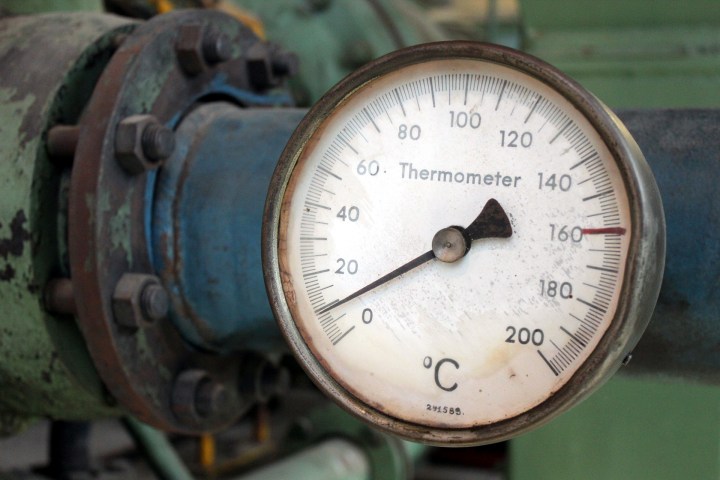
Paul offers his personal testimony of sanctification and calls himself ‘wretched’ in the process (Romans 7:24)
For I know that good itself does not dwell in me, that is, in my sinful nature. For I have the desire to do what is good, but I cannot carry it out. For I do not do the good I want to do, but the evil I do not want to do – this I keep on doing. Now if I do what I do not want to do, it is no longer I who do it, but it is sin living in me that does it. (Romans 7:18-20)
It is through suffering, tests and trials that God visits upon us that the follower is refined and sanctified, or made righteous. This is for the benefit of the person, not the detriment – but only can this be seen outworked in the eternal.
This is the process by which God disciplines us and to discipline train through hardship:
Endure hardship as discipline; God is treating you as his children. For what children are not disciplined by their father? If you are not disciplined – and everyone undergoes discipline – then you are not legitimate, not true sons and daughters at all. Moreover, we have all had human fathers who disciplined us and we respected them for it. How much more should we submit to the Father of spirits and live! 1 They disciplined us for a little while as they thought best; but God disciplines us for our good, in order that we may share in his holiness. No discipline seems pleasant at the time, but painful. Later on, however, it produces a harvest of righteousness and peace for those who have been trained by it. (Hebrew 12:7-11)
God has everyone’s best interests at heart – even those that reject him will have their choice fulfilled in the eternal – but from an earthly perspective, the trials and suffering do not always fair, understandable or immediately beneficial. So, must the follower of Christ live by faith, which is commitment before knowledge. None might know how suffering benefits them, but in enduring it, they grow spiritually – it is a blessing, the fruit of suffering:
We (also) glory in our sufferings, because we know that suffering produces perseverance; perseverance, character; and character, hope. And hope does not put us to shame, because God’s love has been poured out into our hearts through the Holy Spirit, who has been given to us. Romans 5:3-5
Or returning to James:
Blessed is the one who perseveres under trial because, having stood the test, that person will receive the crown of life that the Lord has promised to those who love him. (James 1:12)
To the non-believer, disease, famine, war, political oppression, sexual exploitation, the litany of suffering, is necessarily random and/or punitive. To the those born again in Christ, no suffering is punishment, but is orchestrated by a loving God:
And we know that in all things God works for the good of those who love him, who have been called according to his purpose. For those God foreknew he also predestined to be conformed to the image of his Son, that he might be the firstborn among many brothers and sisters. And those he predestined, he also called; those he called, he also justified; those he justified, he also glorified. (Romans 8:28-30)
Glorification, the end state of those who are faithful, comes after the process of suffering. Paul says earlier in the chapter:
I consider that our present sufferings are not worth comparing with the glory that will be revealed in us. (ibid 8:18)
This then is true fruit of the testing, or the proving of the mortal flesh, to share Christ’s in glorification, in the final removal of sin in the eternal state. Paul says that
our citizenship is in heaven. And we eagerly await a Saviour from there, the Lord Jesus Christ, who, by the power that enables him to bring everything under his control, will transform our lowly bodies so that they will be like his glorious body. (Philippians 3:20-21)
 God Breathed Words