Envy (Covetousness)

envy
Envy is coveting what someone else has.

Jealousy and Envy are often treated as synonyms; but actually, they have different meanings and applications.  By illustration, if a woman sees her husband flirting with another woman, she is jealous; but if she desires another woman’s husband, she is envious.  One man is hers by right the other is not, and to obtain him, she would have to take that man from his wife.  Thus, envy is sin while jealousy is not.  Previously, I posted an examination of Jealousy from a Biblical perspective, now I consider Envy – or as many translations say, Covetousness. Read more

HOSANNA

jesus-christ-triumphal-entry-1080x711
Jesus enters Jerusalem to cries of ‘Hosanna’.

As Jesus enters Jerusalem on the colt of a donkey, he is greeted with shouts of adoration and acclamation.  With one voice expressing common agreement, here at last was the Messiah from the line of David who would save the people of Israel; but, as it became obvious that his aims were not temporal and immediate, and that he would not rouse a rebellion against Rome, support withered and the plotters succeeded in sending Jesus to his death.  Little did any realise that this was the plan and eternal salvation the goal.  Matthew, an eye witness, records those cries:

‘Hosanna to the Son of David!’

 ‘Blessed is he who comes in the name of the Lord!’

 ‘Hosanna in the highest heaven!’  (Matthew 21:9)

Read more

JEALOUSY

baal-worship
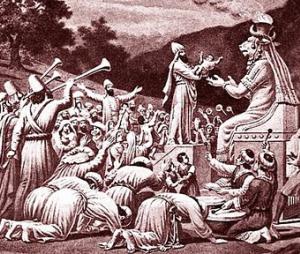
Baal worship involving child sacrifice.

There are two words that often used synonymously, jealousy and envy; but in actuality they have different meanings and applications. The simple difference between jealousy and envy: one is jealous of what you already possess but envious of others who have what you desire.  By illustration, if a woman sees her husband flirting, she is jealous; but if she desires another woman’s husband, she is envious.  While the first man is hers by right, the other is not; and to obtain the latter, she would have to take that man from his wife.  Thus, envy is sin while jealousy is not.  First, I look at Jealousy from a Biblical perspective.  Read more

GENTILE

Who, or what, is a Gentile and, Biblically, what is the significance of this status after Christ?  In this examination, I look at the word which was used to represent all those who were ‘not of Israel’.

solomons_temple
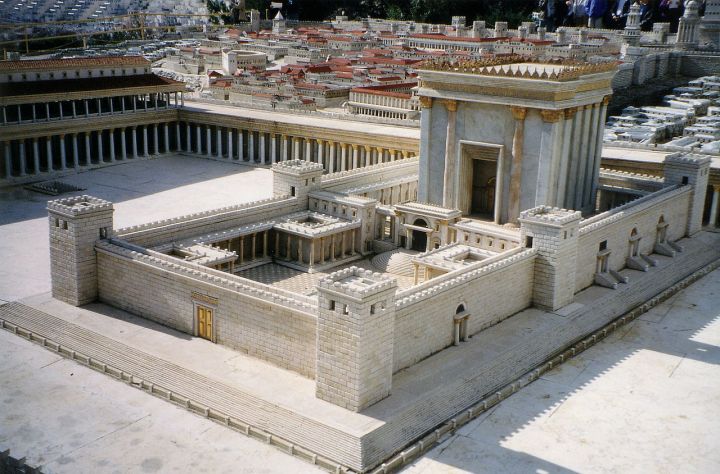
The Second Temple, built by Herod the Great and around it the Court of the Gentiles.

Read more

Lord – hláford

breaking-bread

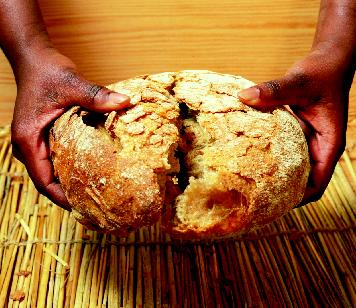
 …the Son of Man is Lord even of the Sabbath.’ (Mark 2:28)

The Greek word κύριος kyrios (Strongs 2962) -and its various declensions -appears 722 times in the New Testament, most often in reference to Jesus; it means lord or master, or properly ‘a person possessing absolute rights of ownership’. Read more

Preach

raffaello-sanzio-da-urbino-st-paul-preaching-at-athens-cartoon-for-the-sistine-chapel.jpg
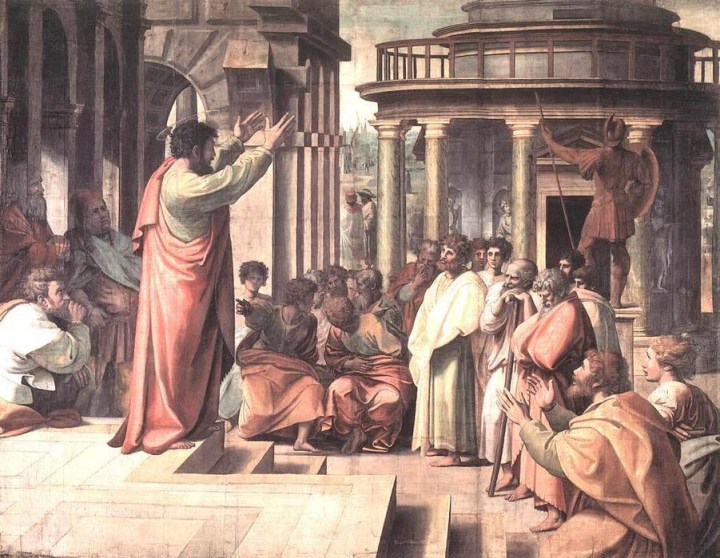
Raphael’s depiction of Paul preaching in Athens

Surely you remember, brothers and sisters, our toil and hardship; we worked night and day in order not to be a burden to anyone while we preached the gospel of God to you.  (1 Thessalonians 2:9)

The Greek word that is most often translated as ‘preach’ is κηρύσσω – kérussó (Strong’s 2784).  The word in the Koine Read more

Shechem

shechem5
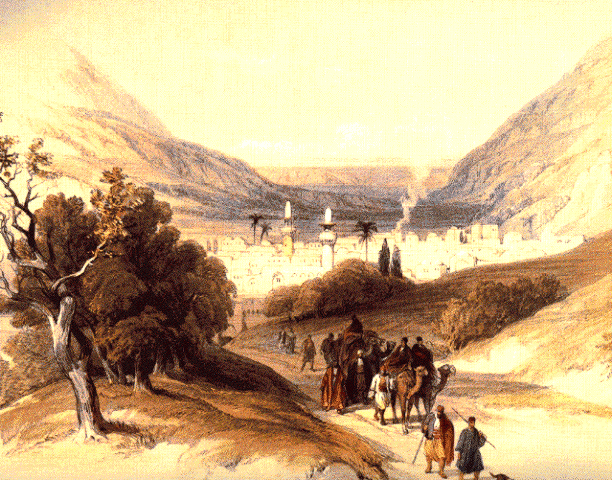
Shechem nestling between Mounts Ebal and Gerizem.

Abram travelled through the land as far as the site of the great tree of Moreh at Shechem. At that time, the Canaanites were in the land.  The Lord appeared to Abram and said, ‘To your offspring, I will give this land.’  So, he built an altar there to the Lord, who had appeared to him.  (Genesis 12:6-7)

This is the first mention of Shechem.  שְׁכָם Shekem (Strong’s Hebrew 7927) means ‘ridge’ or ‘shoulder’ Read more

FULFIL

seder-blessing-plate-640x570

I have been considering the Jewish Feasts.  In this post, I will look in brief how they have been fulfilled in Christ.  Of course, this is only one element of the fulfilment of the Law, but the festivals were given both for observance and for revelation:

‘Do not think that I have come to abolish the Law or the Prophets; I have not come to abolish them but to fulfil them…’ Matthew 5:17

Read more

HARVEST

ICARDC6

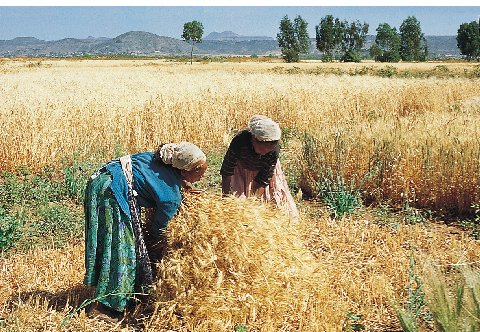
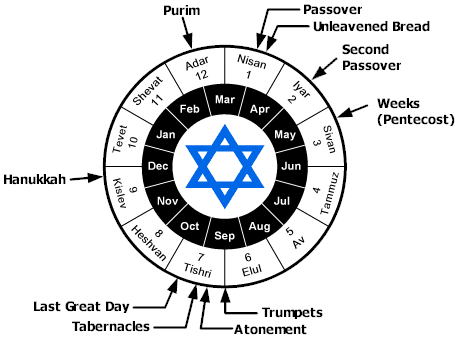
For those of you following my blog, I began with a look at the Jewish Feasts (Leviticus 23).  You many have noted that the seven feasts are set in a pattern, three together (Passover, Leavened Bread and Firstfruits), one by itself (Pentecost) and, again, a cluster of three (Trumpets, Day of Atonement and Booths); this timing aligns with the three periods of harvest in Israel.  (With God, there are no coincidences!)  So, in this post we consider the word ‘harvest’ in a Biblical context. Read more

FEAST

19b4ea9d135f4b7da26f6a29aa29a79b

To further understand Jesus, the modern Christian necessarily must know how the Mosaic Law governed his life as a Jewish man.  On the sermon on the mount, Jesus said: ‘Do not think that I have come to abolish the Law or the Prophets; I have not come to abolish them but to fulfil them’ (Matthew 5:17).  Among the many requirements to be observed were the three annual pilgrimages.  In this post, I will outline the Seven Feasts that punctuate the Jewish year, then and now.  In a subsequent post I will examine how Jesus fulfilled them.

Read more