DELUSION

God sends (them) a powerful delusion so that they will believe the lie and so that all will be condemned who have not believed the truth but have delighted in wickedness.
(2 Thessalonians 2:11-12)

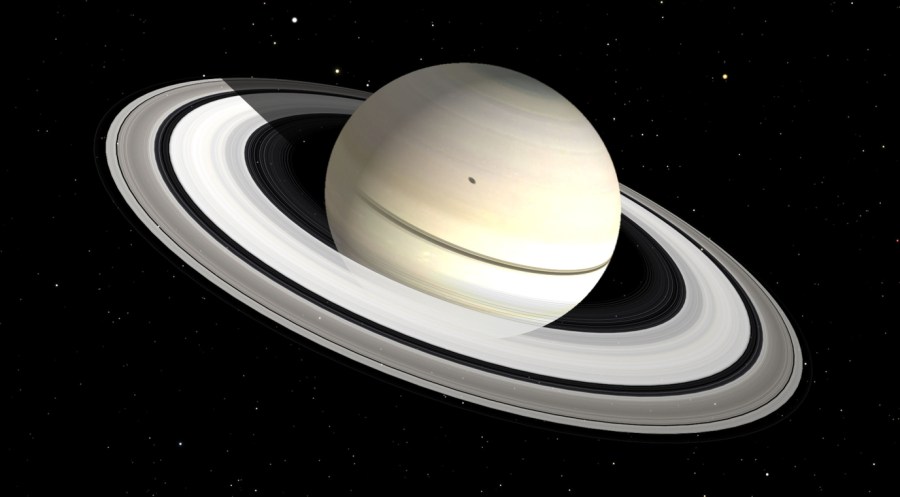
Greek word translated delusion is plané (πλάνη), in context, this represents a deception or deceit. It derives from the verb planaó, to go astray, to wander, or cause to wander or be misled. In English, this comes to us in the word ‘planet’ as these satellites of the sun are observed to ‘wander’ across the firmament, the ‘firm’ back-cloth of the fixed stars.

So, the sense is deviation, and specifically in the spiritual context, deviation from the truth that there is one God; and of course, the planets are even named after pagan gods, mere inventions from the human mind under powerful delusion.

Read more

ANANIAS

… a man named Ananias, with his wife Sapphira, sold a piece of property, and with his wife’s knowledge he kept back for himself some of the proceeds and brought only a part of it and laid it at the apostles’ feet.  (Acts 5:1-2)

Ananias is a Jewish name derived from חֲנַנְיָה Chananyah, which means ‘God has been gracious’; it is common enough that it is given to three different men in the Acts of the Apostles.

Ananias was the High Priest during the establishment of the church and he confronts Paul at the apostle’s trial in Jerusalem.  Not realising his identity Paul insults him (ibid 23:3) calling him a ‘white-washed wall’ (a common term for a hypocrite, similar to that which Jesus himself used, Matthew 23:27).

Another Ananias also featured in Paul’s life, but this time to bless and heal the newly converted apostle (Acts 9:10-18).

However, Luke records the troubling tale of a further Ananias, in that he is judged and summarily slain for his sin.  

Read more